Guangzhou vs Shenzhen:
Rooted Against New
The honest frame: Guangzhou wins on depth of Cantonese culture, Shenzhen wins on breadth of pan-Chinese, because Shenzhen's migrants came from everywhere and Guangzhou's have been there 2,200 years. One is rooted; one is new, and confident about it. Shenzhen passed Guangzhou economically years ago — H1 2026 GDP was ¥1.98 trillion against ¥1.60 trillion — but that is not a traveller's metric. For a visitor: Guangzhou for food, heritage, walkability and price; Shenzhen for tech, design, theme parks and proximity to Hong Kong. And you do not have to choose — the train is 32–38 minutes and ¥74. The current top search result for this question is a TripAdvisor forum thread from about 2017, which is why this page exists.
Who should pick which
Guangzhou
2,200 years, 112 Michelin listings, the finest Lingnan craft anywhere, a walkable old core, and the cheapest rooms of the tier-one cities. If you are choosing one and you like eating, this is it — and Shunde is 45 minutes away. Full verdict →
Shenzhen
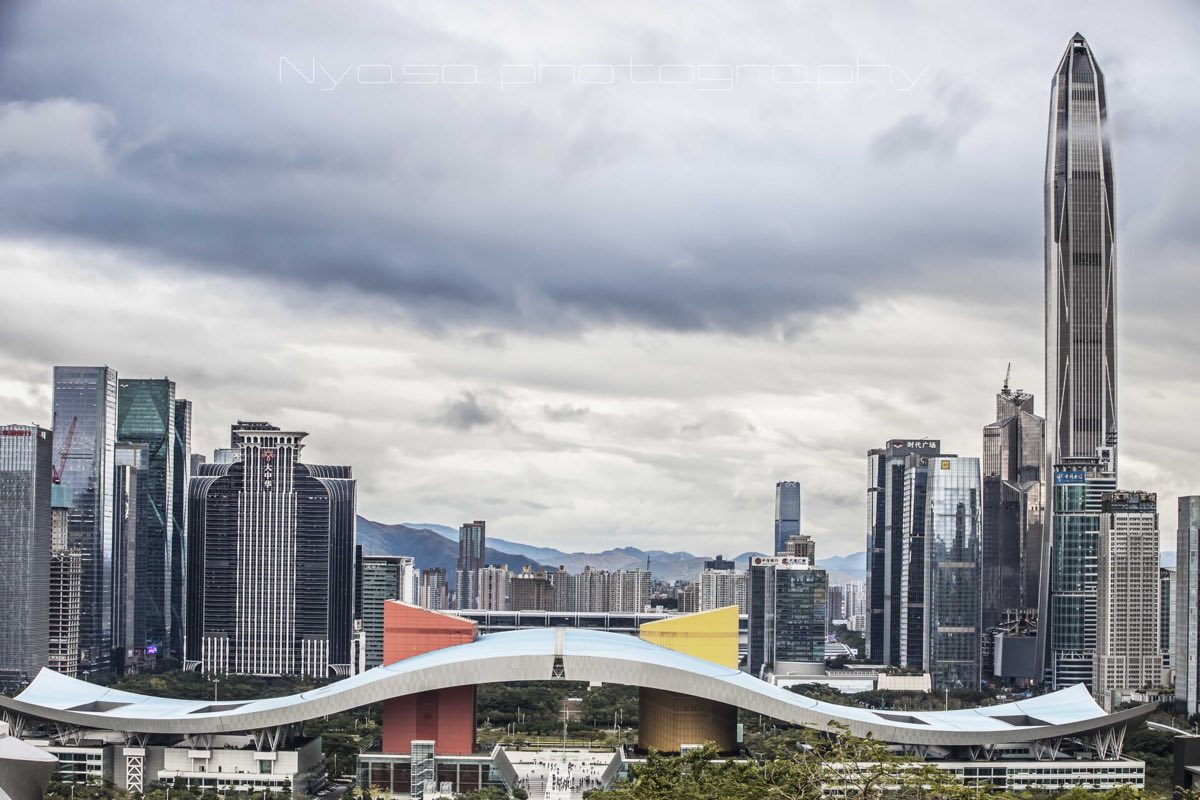
Forty-five years old and the most future-facing city in China: electronics markets, design districts, Window of the World, Happy Valley, and a land border with Hong Kong. Almost no historic fabric, and the food is pan-Chinese rather than deep Cantonese.
Shenzhen with a local guide ↗The differences that matter to a visitor
| Guangzhou | Shenzhen | |
|---|---|---|
| Age | 2,200 years — the anchor of Cantonese culture | Founded as an SEZ in 1980. Forty-five years old. |
| Food | The case for the city. 112 Michelin listings, 45 Bib Gourmand at ¥15–60, Shunde 45 min away | Good and broad — every Chinese regional cuisine, because everyone is from somewhere else. Less deep in any one. |
| Heritage | Nanyue tomb, Chen Clan Hall, Shamian, qilou arcades, Dongshankou villas | Minimal by definition. Folk Culture Village and Window of the World are constructions. |
| Language | Cantonese street vernacular, Mandarin official | Mandarin dominant — the migrant city speaks the national language. |
| Cost | Cheapest tier-one. Rooms ¥180–750 typical | Higher across the board, particularly housing. |
| Walkability | Yuexiu and Liwan are genuinely walkable | Car- and metro-scaled. Superblocks. |
| Tech | Robotaxis, NEV manufacturing, and a real tech-tour category | The world capital of hardware. Huaqiangbei is unmatched anywhere. |
| To Hong Kong | 47 min by HSR to West Kowloon | A land border. Minutes on foot at several crossings. |
| Nightlife | Late-night eating, Party Pier, strong clubbing | Sea World, Coco Park — younger, newer, more international-corporate. |
Guangzhou South → Shenzhen North is 32–38 minutes at ¥74, so treating this as an either/or is usually a mistake. Both remain mainland China, so no visa question arises in moving between them — unlike a Hong Kong hop.
Questions people actually search
Is Guangzhou or Shenzhen better to visit?
Guangzhou, for most travellers — it has 2,200 years of history, one of the world's great food cultures, a walkable old city and lower prices. Shenzhen is the better choice if you are interested in hardware, design and the future-facing side of China, or if you want to cross into Hong Kong on foot. They are 32 minutes apart, so doing both is easy.
Is Shenzhen richer than Guangzhou?
Yes, and it has been for some years — H1 2026 GDP was ¥1.98 trillion for Shenzhen against ¥1.60 trillion for Guangzhou. Guangzhou's live competition is now with Chongqing for fourth place nationally. None of that changes much for a visitor, though it does show up in prices.
Which has better food, Guangzhou or Shenzhen?
Guangzhou, decisively, if you mean Cantonese food — it is the source city, and its Bib Gourmand list alone runs to 45 shops mostly under ¥60. Shenzhen has broader coverage of China's regional cuisines because its population came from everywhere, which is genuinely useful if you want Sichuan one night and Hunan the next.
How do you get from Guangzhou to Shenzhen?
High-speed rail from Guangzhou South to Shenzhen North, 32–38 minutes, ¥74. Guangzhou East also runs the older intercity service. Both are mainland China so there are no border formalities — that only applies when you carry on into Hong Kong.